
HE-ENTREDIGComp training in Vasto: entrepreneurial and digital competences
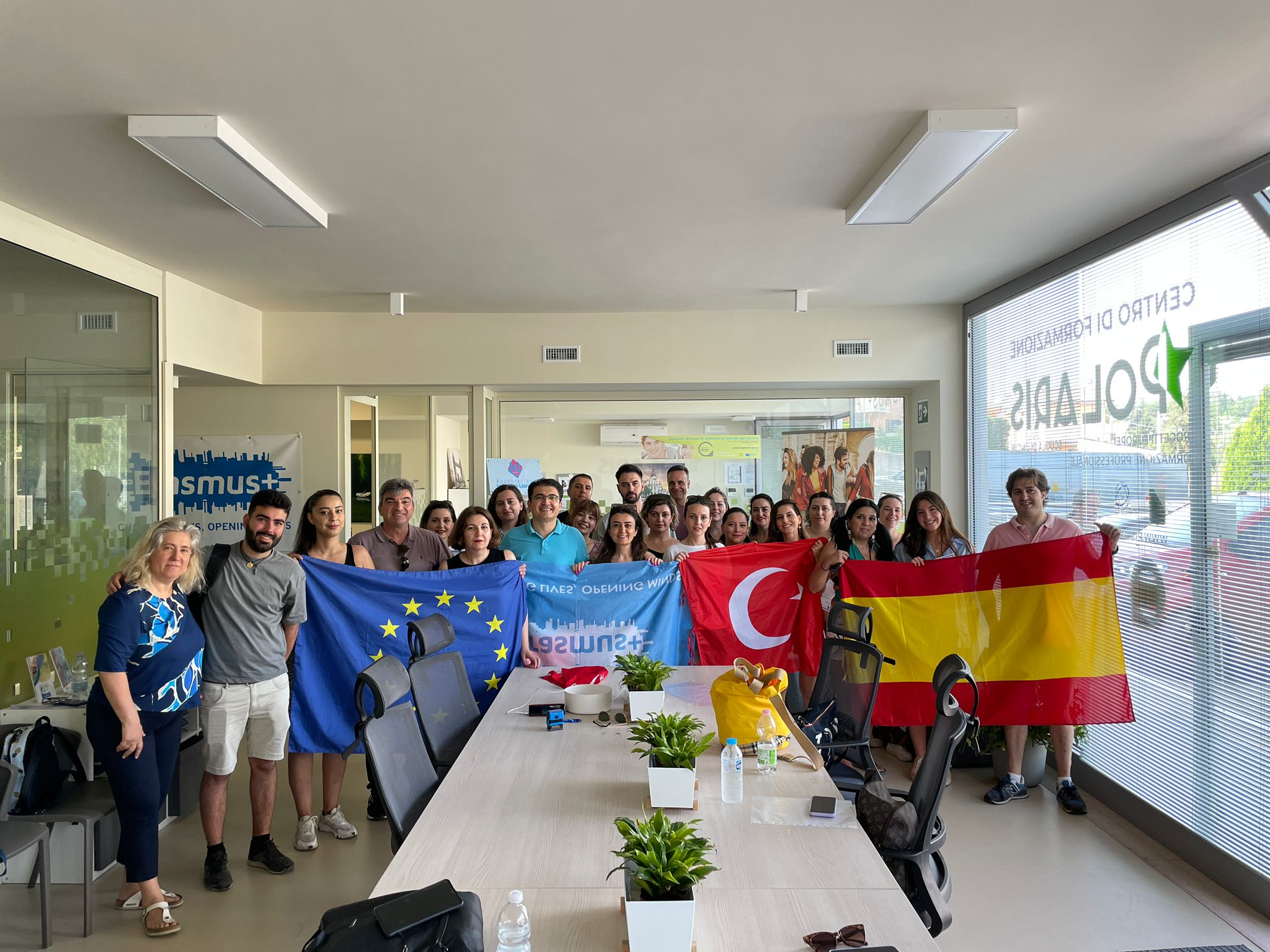
POLARIS organised an exchange of good practices in Vasto on the EntreComp and DigComp frameworks in higher education.
Read the experienceAIDE Formación
Proyectos Europeos
Executive summary
HE-ENTREDIGComp brought the European entrepreneurship and digital competence frameworks into higher education through teacher training, projects in educational institutions and hackathons in Spain, Greece, Turkey and Italy. AIDEJOVEN participated as a partner and organised the Madrid hackathon with UDIMA. The project published two methodological guides featuring teaching tools and student proposals for the Sustainable Development Goals.
HE-ENTREDIGComp se desarrolló entre diciembre de 2020 y noviembre de 2022 para llevar EntreComp y DigComp a situaciones reales de aprendizaje en educación superior. La cooperación conectó al profesorado, al alumnado y a entidades de Turquía, España, Italia y Grecia, combinando iniciativa emprendedora, competencia digital y trabajo sobre problemas sociales y ambientales.
El recorrido comenzó con la formación del profesorado en Atenas y continuó con experiencias en sus centros y cuatro hackathones nacionales. En Madrid, AIDEJOVEN y UDIMA reunieron a 33 estudiantes de tres institutos para desarrollar ideas vinculadas a los Objetivos de Desarrollo Sostenible. Las actividades de Grecia, Ankara y Vasto ampliaron el intercambio con propuestas sobre salud, sostenibilidad, movilidad y participación.
La formación de Vasto permitió contrastar los métodos utilizados y recoger las lecciones aprendidas. El trabajo quedó reunido en dos productos intelectuales: las guías O1 y O2, disponibles en cinco idiomas. En el encuentro final de Ankara, el 7 de noviembre de 2022, estudiantes de los países participantes presentaron sus ideas ante la comunidad universitaria y otros agentes del ámbito educativo y emprendedor.
Higher education teaching staff, trainers and students, including those at universities and higher vocational training centres. The activities also involved entrepreneurship and technology specialists, educational institutions and organisations interested in applying EntreComp and DigComp to social and environmental challenges.
The project began on 7 December 2020 with a videoconference meeting. The organisations planned the activities, evaluation and two intellectual outputs. Follow-up combined remote meetings with gatherings in Atenas, Vasto and Ankara to review the training sessions, hackathons and final materials.
From 2 to 4 September 2021, Hellenic Open University organised hybrid training. Following an introduction to EntreComp and DigComp, teachers worked in teams to design projects for their schools and practised organising an educational hackathon.
Four teaching initiatives were documented: the initiative by IES Santa Engracia and Salvador Allende in Spain; Education to Entrepreneurship in Italy; DIGI-Health in Greece; and DriveSense in Turkey. They combined project-based learning, problem analysis, business models, digital tools and collaborative work. Their content is detailed in the initiatives section.
From 10 to 12 December, AIDEJOVEN and UDIMA organised the event at Hotel Persal. Thirty-three students from IES Salvador Allende, Santa Engracia and Luis Vives took part. The teams received short training sessions, developed proposals related to the SDGs and presented them to a judging panel. Eight projects were published; the prizewinners were Este es mi arbusto, Biomask and UMI.
On 19 and 20 May, 34 higher education students worked in teams with support from teaching staff and specialists. They analysed the SDGs, used planning tools and presented their proposals. The winning idea was Dr. Robot, a proposal to assist people living in remote areas through robotics and telemedicine.
From 1 to 3 June, five teams of four students developed ideas and prototypes linked to the SDGs and presented them at a demonstration event. The winning entry was BreatheFree; Metadress and Anonymate received second and third prize respectively.
POLARIS prepared 12 students through intensive training on entrepreneurship, EntreComp and the SDGs. The hackathon, documented from 20 to 22 June, was organised around four teams that analysed problems and developed proposals and digital presentations. The winning idea, APP4PARK, addressed finding parking and reducing urban traffic.
From 27 to 29 June 2022, POLARIS hosted the second training activity in Vasto. Professionals shared teaching experiences and hackathons from the four countries, reviewed challenges and results, and proposed improvements to extend the method to other schools. The event coincided with a transnational monitoring meeting.
The O1 guide covers the EntreComp and DigComp frameworks, educational tools and teachers’ experiences. The O2 guide explains how to organise a hackathon and presents the winning proposals from the four countries. Both were published in Spanish, English, Italian, Turkish and Greek and can be downloaded separately from this page.
On 7 November 2022, Fundación OSTİM and Universidad Técnica OSTİM hosted the final dissemination event in Ankara. Students who had taken part in the hackathons presented their ideas to university students, education professionals and entrepreneurs. The cooperation concluded with an evaluation meeting, and its activities were shared through four newsletters, a poster and a leaflet.
POLARIS organised an exchange of good practices in Vasto on the EntreComp and DigComp frameworks in higher education.
Read the experience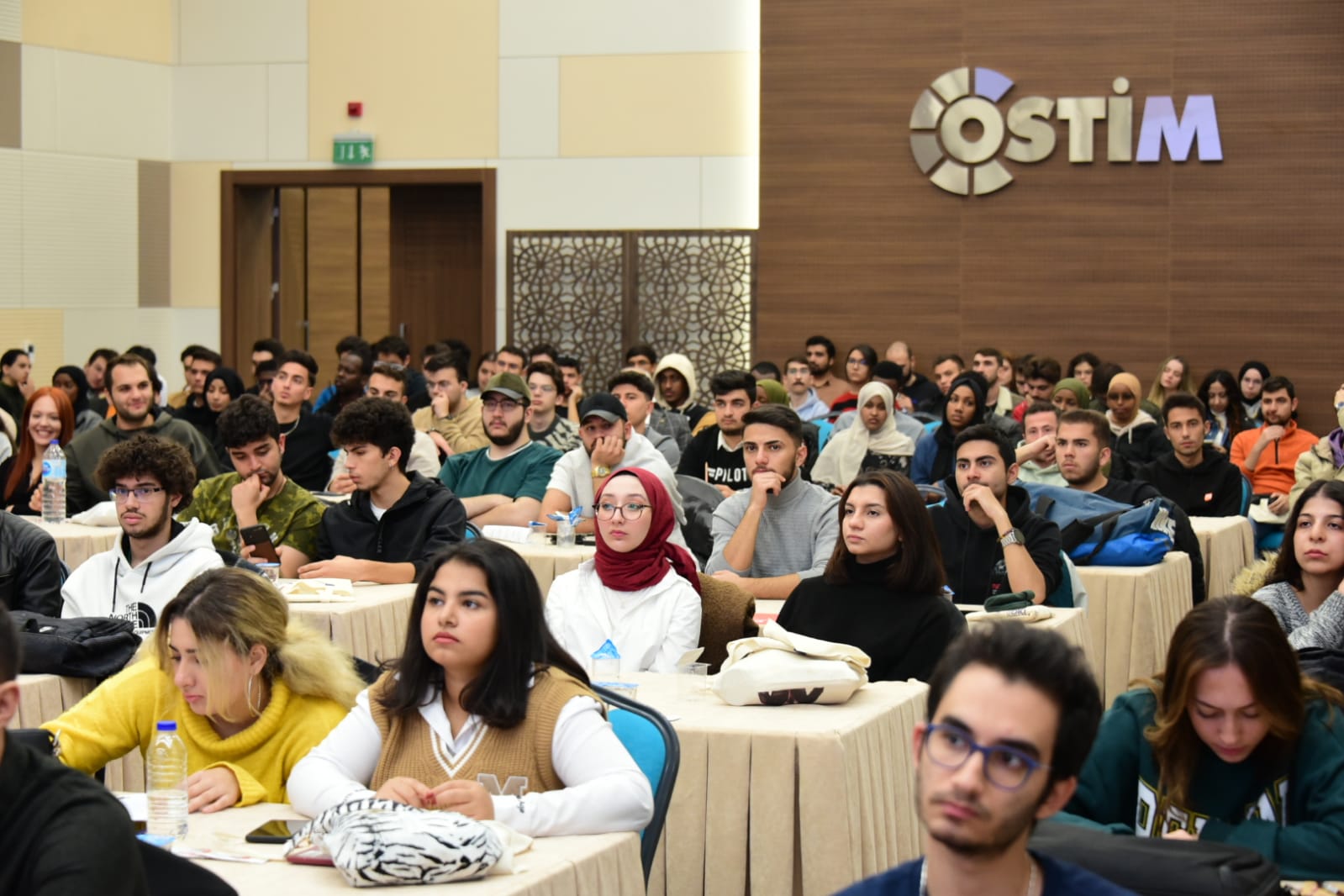
The European project, in which AIDEJOVEN was a partner, held an entrepreneurial ideas exchange at Universidad Técnica OSTİM.
Read the experienceThese experiences appear in the project’s publications and guides. The students’ proposals are presented as educational ideas or prototypes, with their purpose and context; their publication does not imply that all of them became commercial services or products.
Spain
In-person and online markets, product creation and sales, and the provision of services to develop entrepreneurial initiative. The experience included digital collaboration between schools, training and an exchange visit to Radom, Poland, to prepare students for the hackathon.
Italy
POLARIS combined teacher preparation, contact with schools and eight hours of training for 12 students. Entrepreneurial skills were developed through role play, problem-solving and projects; four teams then developed their proposals at the Vasto hackathon.
Greece
On 7 and 8 April 2022, 25 students analysed the design of a vest with sensors and communications technology to monitor the health of people living in hard-to-reach areas. They used business models and brainstorming, working in five teams that took on the roles of manufacturers and service providers.
Turkey
An initiative from June 2021 to June 2022 involving a driver monitoring system to address risks associated with distraction. It applied design thinking, SWOT analysis, competitor analysis and business modelling to the development and testing of a prototype. The publication documents the creation of a startup at OSTİM Teknopark.
Spain · first prize in Madrid
A chain of participation to plant and care for flowers or plants and encourage others to do the same. It linked a simple action with sharing on social media and a commitment to the climate.
Spain · second prize in Madrid
A proposal for biodegradable medical supplies made from organic resources, aimed at reducing waste and linking health, production and environmental protection.
Spain · third prize in Madrid
An idea for an indoor air conditioning device controlled via an app, with options for personalisation. The team proposed using recycled materials and renewable energy sources.
Spain
A proposal for workshops and guidance on emotional, financial, sexual and social education for adolescents and young people, in collaboration with educational centres.
Spain
An idea for an app to make it easier to request and manage psychological support appointments, aimed particularly at young people with limited resources.
Spain
A guidance initiative to help teenagers identify their interests and abilities through individual and group activities, with a focus on continuing their education and making choices about their future.
Spain
Development of a social initiative to support villages affected by depopulation, connect volunteers and resources, and provide information and opportunities for participation through a website.
Spain
A proposal for awareness-raising and workshops on young people’s mental health in secondary schools and other educational centres, involving professionals and crowdfunding proposed by the team.
Greece · winning proposal
An idea for using robotics, drones and communications to help people living on islands or in remote areas access assistance and healthcare resources.
Turkey · first prize in Ankara
A proposal for insulating material made from industrial ash waste, linking the reuse of materials with energy efficiency and pollution reduction.
Turkey · second prize in Ankara
A proposal awarded second prize at the Ankara hackathon demonstration event, according to the report published by the project.
Turkey · third prize in Ankara
A proposal presented at the demonstration event and awarded third prize at the Ankara hackathon, according to the project report.
Italy · winning proposal
An idea for an app that displays available parking spaces on a map to reduce search times, traffic and urban pollution.
1 · 2 · 3 / 48
Co-funded by the European Union's Erasmus+ programme through a KA203 higher education strategic partnership. National management: Agencia Nacional Turca. Reference: 2020-1-TR01-KA203-094706. Partners: Universidad Técnica OSTİM (Turkey) · academic collaboration and hosting of activities. AIDEJOVEN participates as a partner organisation. Coordination: Fundación OSTİM · OSTİM Vakfı (Turkey).
HE-ENTREDIGComp
A guide to entrepreneurial and digital competence frameworks, learning tools and teachers’ experiences.
HE-ENTREDIGComp
A guide to organising educational hackathons and exploring the winning proposals from the four participating countries.